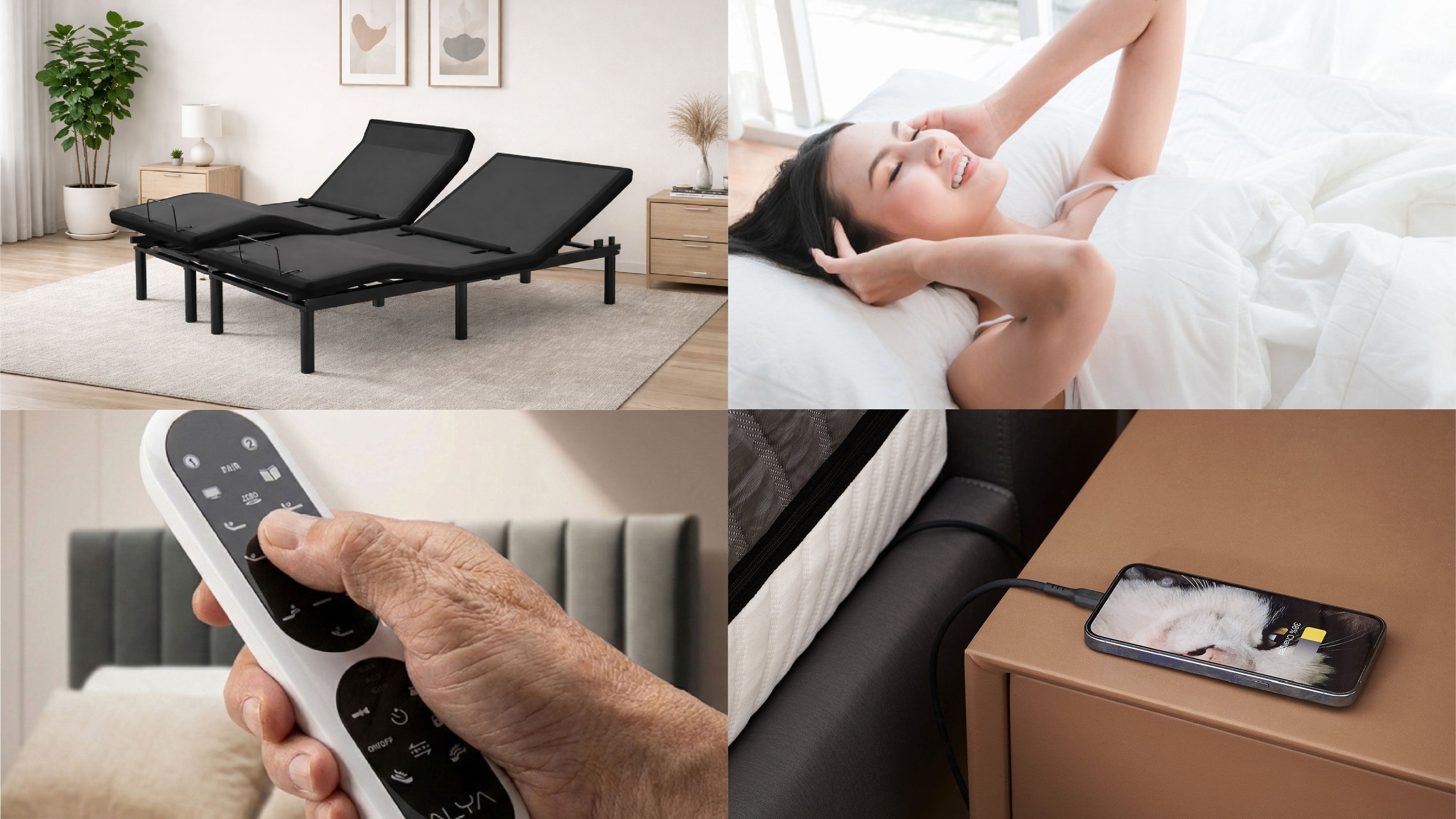

Adjustable Bed Positions for Snoring, Acid Reflux & Sleep Apnea
An adjustable bed isn't just about comfort—it's a health tool. By elevating your head, feet, or both, adjustable beds use gravity to address sleep disorders and medical conditions. Snoring, acid reflux (GERD), sleep apnea, and poor circulation can all be managed more effectively with proper sleep positioning. This comprehensive guide explores adjustable bed positions for snoring, acid reflux relief, sleep apnea support, and circulation health, with practical recommendations for Singapore residents seeking better sleep and wellness.
Quick Answer: How Adjustable Beds Help Sleep Disorders
Adjustable beds combat common sleep issues by using gravity and positioning. Head elevation opens airways for snoring relief, prevents stomach acid from refluxing, and reduces upper airway collapse in sleep apnea. Leg elevation improves circulation and reduces swelling. These positions aren't medical treatments but complementary tools that work alongside medical care.
Understanding the Connection Between Sleep Position and Health
Your sleeping position dramatically impacts your health. Lying flat, especially on your back, narrows airways, increases acid reflux risk, and promotes fluid retention in the legs. Gravity pulls your tongue backward, restricts airflow, and allows stomach acid to flow upward. By adjusting your bed, you work with gravity rather than against it.
Key principles:
-
Head elevation reduces airway collapse and prevents acid reflux
-
Gravity-assisted positioning takes pressure off your spine and joints
-
Leg elevation promotes blood flow and reduces swelling
-
Proper positioning works best when combined with other health measures
Best Position for Snoring
Snoring occurs when relaxed throat tissues vibrate as air passes through narrowed airways. Elevation opens these pathways.
Recommended Position: 15-30 Degree Head Elevation
Start at 15 degrees and gradually increase to 30 degrees as tolerated. This moderate elevation:
-
Opens airway passages by drawing the tongue and soft palate forward
-
Maintains spinal alignment without feeling too steep
-
Keeps your partner more comfortable than extreme angles
-
Often completely eliminates snoring for light-to-moderate cases
Step-by-Step Setup:
-
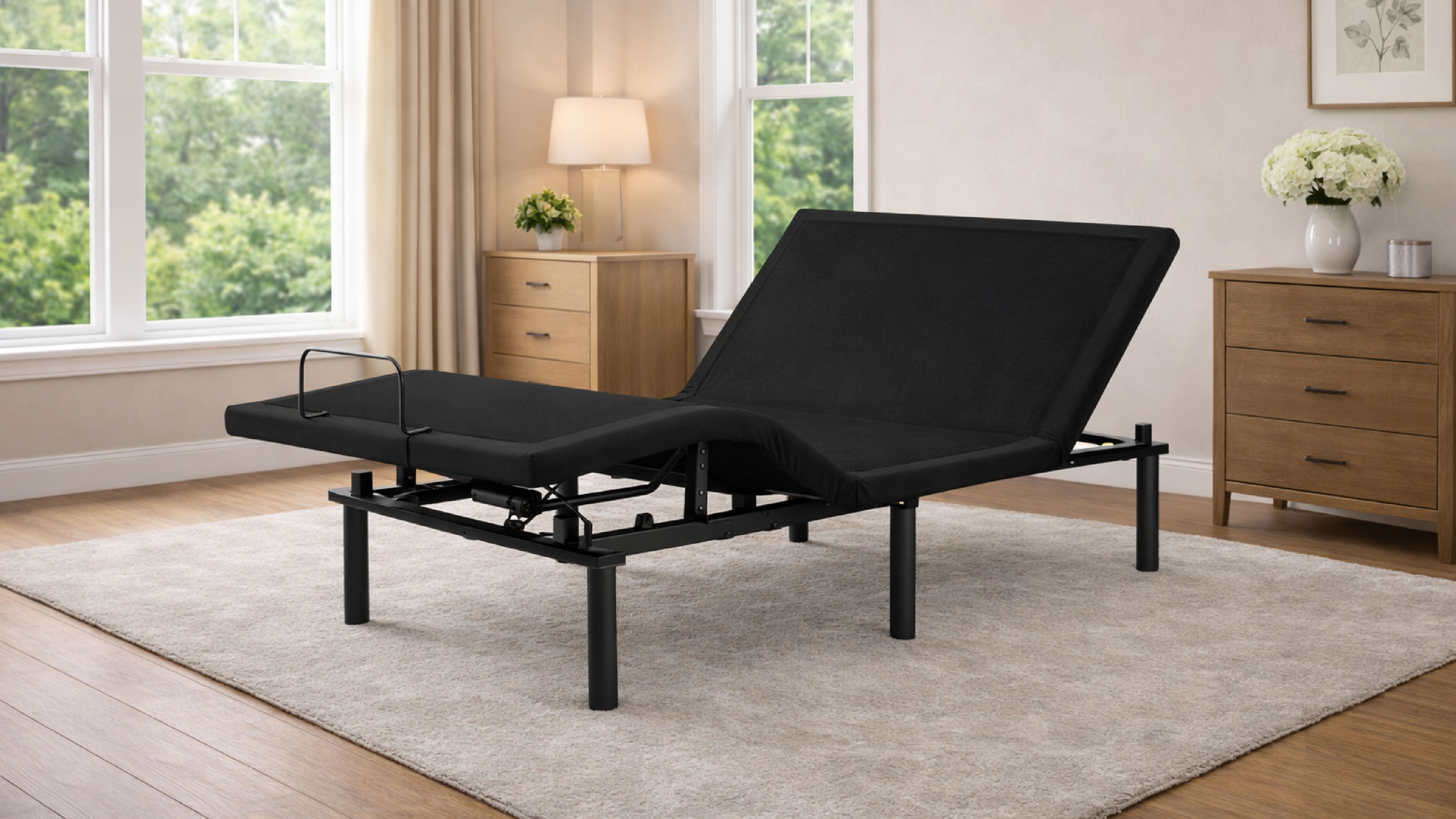
Use your adjustable bed's remote to raise the head to 15 degrees
-
Sleep in this position for 1-2 weeks to allow adjustment
-
If snoring persists, gradually increase to 20-30 degrees
-
Don't go above 30 degrees—excessive elevation can strain your neck
-
Save this position as a memory preset for consistency
Best Position for Acid Reflux (GERD)
Gastroesophageal reflux disease (GERD) occurs when stomach acid flows backward into the esophagus. Gravity is your ally here.
Recommended Position: 6-8 Inch Head Elevation (10-20 Degrees)
This position:
-
Prevents stomach acid from refluxing into the esophagus
-
Keeps your esophagus above your stomach
-
Allows gravity to keep acidic content in your stomach
-
Typically more effective than flat sleeping
Bonus Recommendation: Sleep on Your Left Side
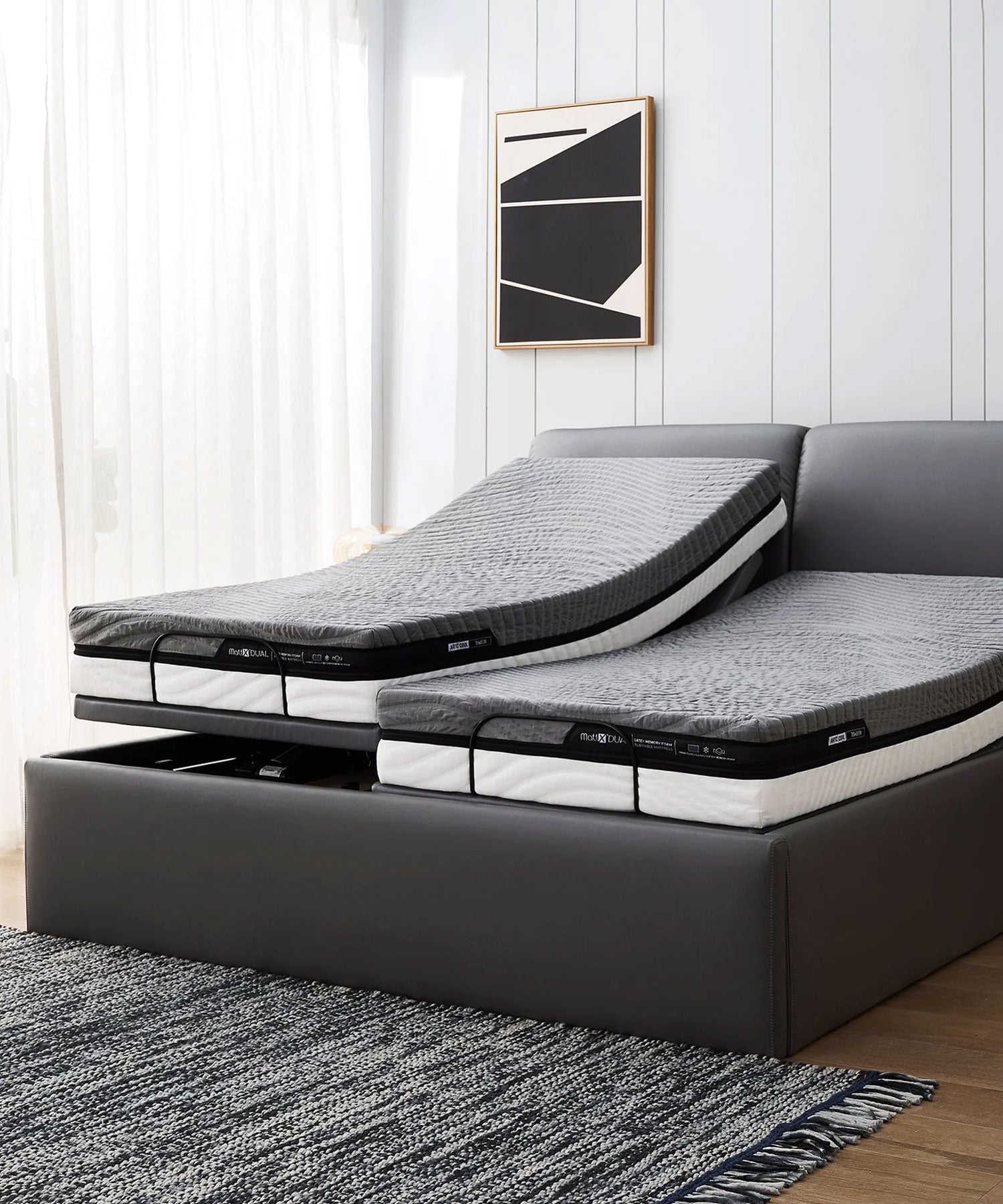
Combine the elevated position with left-side sleeping. The stomach curves to the right; left-side positioning keeps acidic contents away from the esophageal junction. Split beds with independent sides allow partners different positions—one elevated, one flat.
Best Position for Sleep Apnea
Sleep apnea involves repeated breathing interruptions during sleep. Head and upper body elevation helps maintain airway patency.
Recommended Position: Head & Upper Body Elevation (20-30 Degrees)
This position:
-
Prevents upper airway collapse
-
Reduces the frequency and duration of breathing events
-
Works synergistically with CPAP machines when used together
-
Can reduce daytime sleepiness and improve oxygen levels
Zero Gravity Alternative:
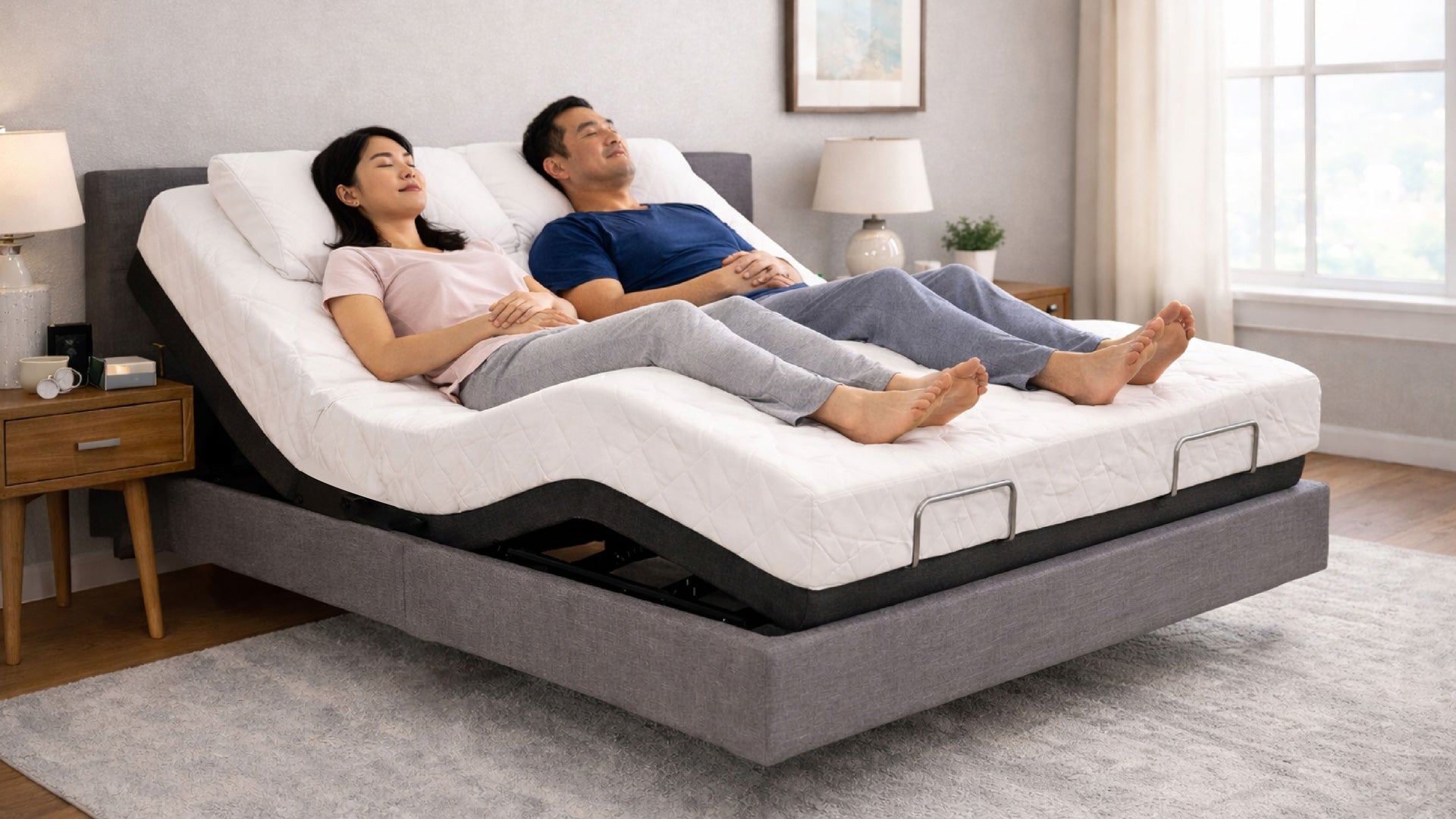
Many modern adjustable beds offer a zero gravity preset—head and feet both elevated equally. This distributes pressure evenly and many sleep apnea sufferers find it highly effective. The NASA-inspired position reduces strain on the cardiovascular system while maintaining airway opening.
Important Note:
Adjustable beds are complementary to medical treatment. If you have diagnosed sleep apnea, discuss adjustable bed positioning with your doctor. CPAP therapy remains the gold standard, but positioning can enhance its effectiveness.
Best Position for Circulation & Swelling
Leg elevation promotes blood return to the heart and reduces swelling in feet, ankles, and legs—especially important for those with varicose veins or prolonged desk work.
Recommended Position: Elevated Feet, Neutral or Slightly Elevated Head
This position:
-
Elevates feet 12-18 inches above heart level
-
Reduces fluid accumulation in lower extremities
-
Improves blood circulation throughout the legs
-
Often reduces leg cramps and nighttime restlessness
Other Therapeutic Positions
Post-Surgery Recovery: Slightly elevated head (15 degrees) and feet (10 degrees) reduces swelling, prevents blood clots, and promotes comfortable healing.
Pregnancy: Left-side sleeping with mild head elevation (10-15 degrees) optimizes blood flow, reduces back pain, and eases breathing.
Reading & Relaxation: 45-60 degree head elevation with supported feet creates a comfortable lounge position for evening reading without straining your neck.
Finding Your Perfect Position
Everyone's anatomy is different. Use these tips to discover your ideal configuration:
-
Start conservative: Begin at lower angles and gradually increase over 1-2 weeks
-
Listen to your body: You should feel comfortable, not strained. Neck pain indicates the angle is too steep
-
Use memory presets: Program different positions (snoring, reading, sleeping) and switch daily to discover what works best
-
Track improvements: Keep notes on snoring reduction, acid reflux symptoms, sleep quality, and energy levels
-
Get partner feedback: If you share a bed, ask your partner about snoring reduction and motion disturbance
When to See a Doctor
While adjustable beds are excellent complementary tools, certain symptoms require professional medical evaluation:
-
Persistent snoring despite position changes
-
Witnessed breathing pauses during sleep
-
GERD symptoms unrelieved by positioning and medication
-
Chronic leg swelling despite elevation
-
Neck or back pain that worsens with certain positions
Frequently Asked Questions
Q: Will an adjustable bed replace my CPAP machine?
A: No. An adjustable bed complements CPAP therapy but doesn't replace it. Many sleep apnea specialists recommend both together for optimal results.
Q: How long does it take to see improvement?
A: Some people notice snoring reduction immediately, while others take 1-2 weeks to adjust. Acid reflux and circulation improvements typically appear within days of consistent positioning.
Q: Can I use an adjustable bed with my partner?
A: Yes! Split King beds allow each person independent position control—crucial if partners have different sleep needs.
Q: Is extreme elevation better?
A: No. Excessively steep angles (above 40 degrees) can cause neck strain and reduced comfort. Moderate elevation is usually most effective.
Q: Will I feel like I'm sleeping on a slope?
A: Modern adjustable beds with flexible mattresses conform to your body naturally. After a brief adjustment period, most users report it feels normal.
Conclusion
Adjustable beds harness gravity and positioning to naturally address snoring, acid reflux, sleep apnea, and circulation issues. By finding your optimal sleeping angle, you can experience better sleep, reduced symptoms, and improved overall health. These beds work best when combined with medical care and other health measures, not as replacements.
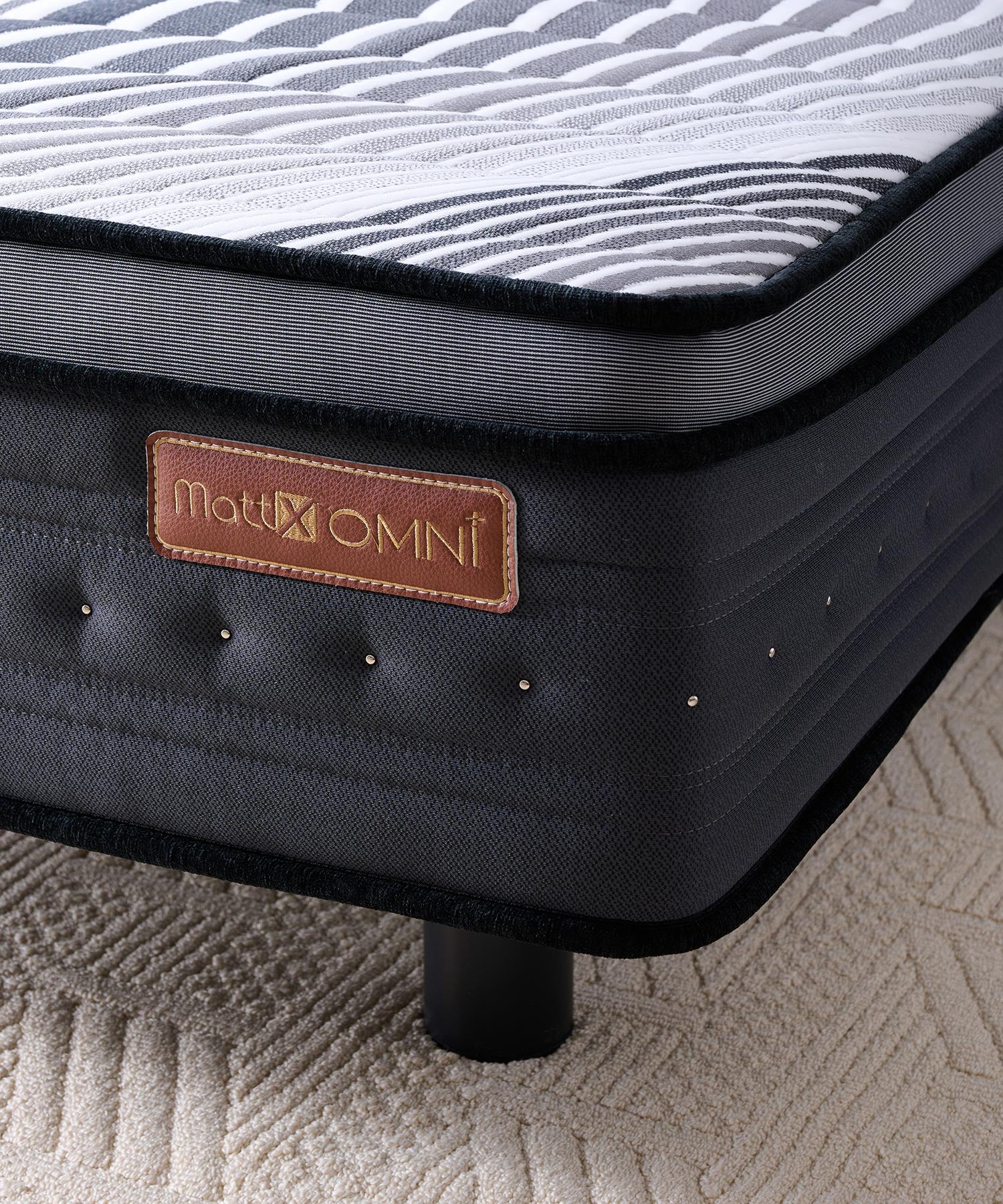
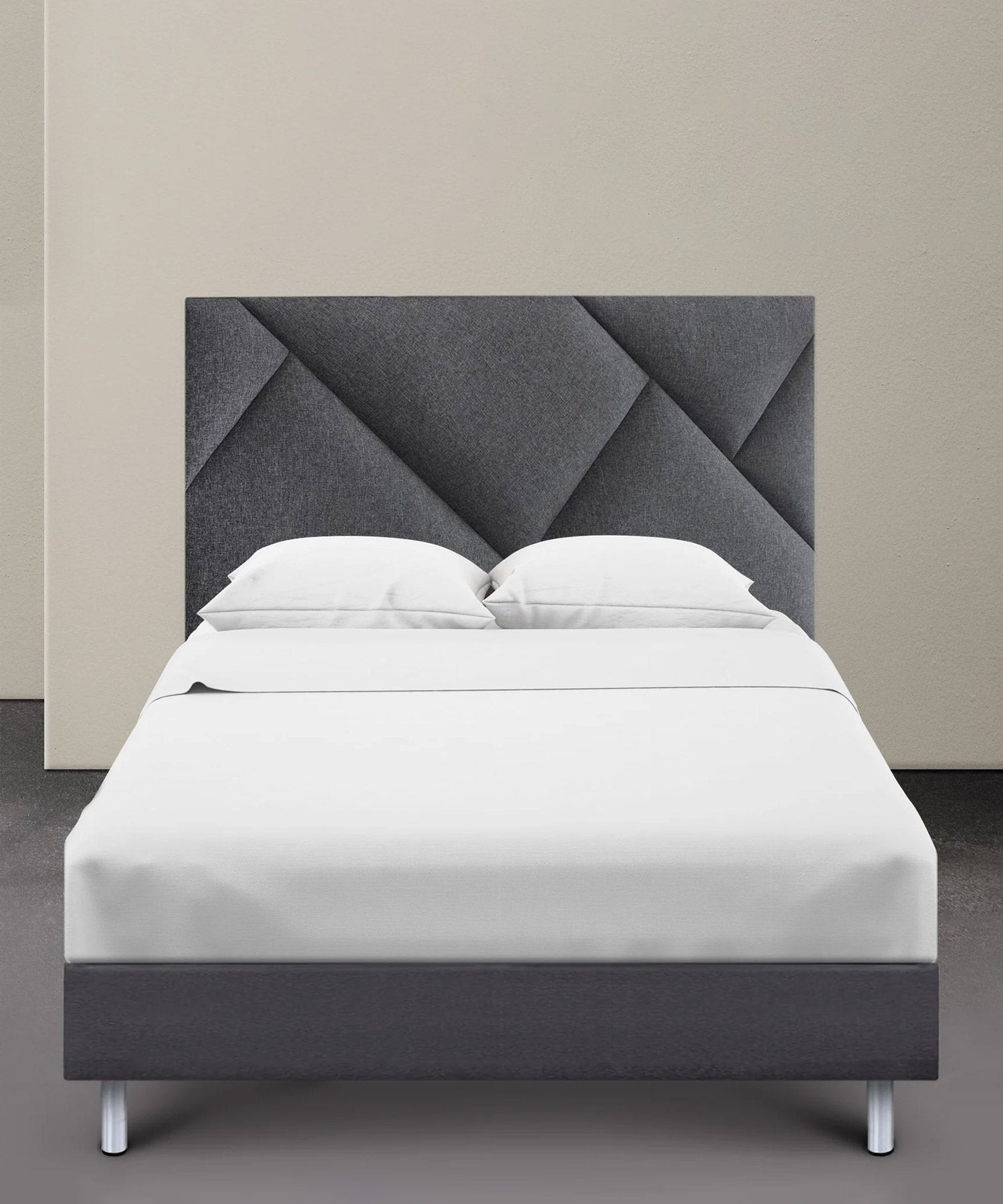
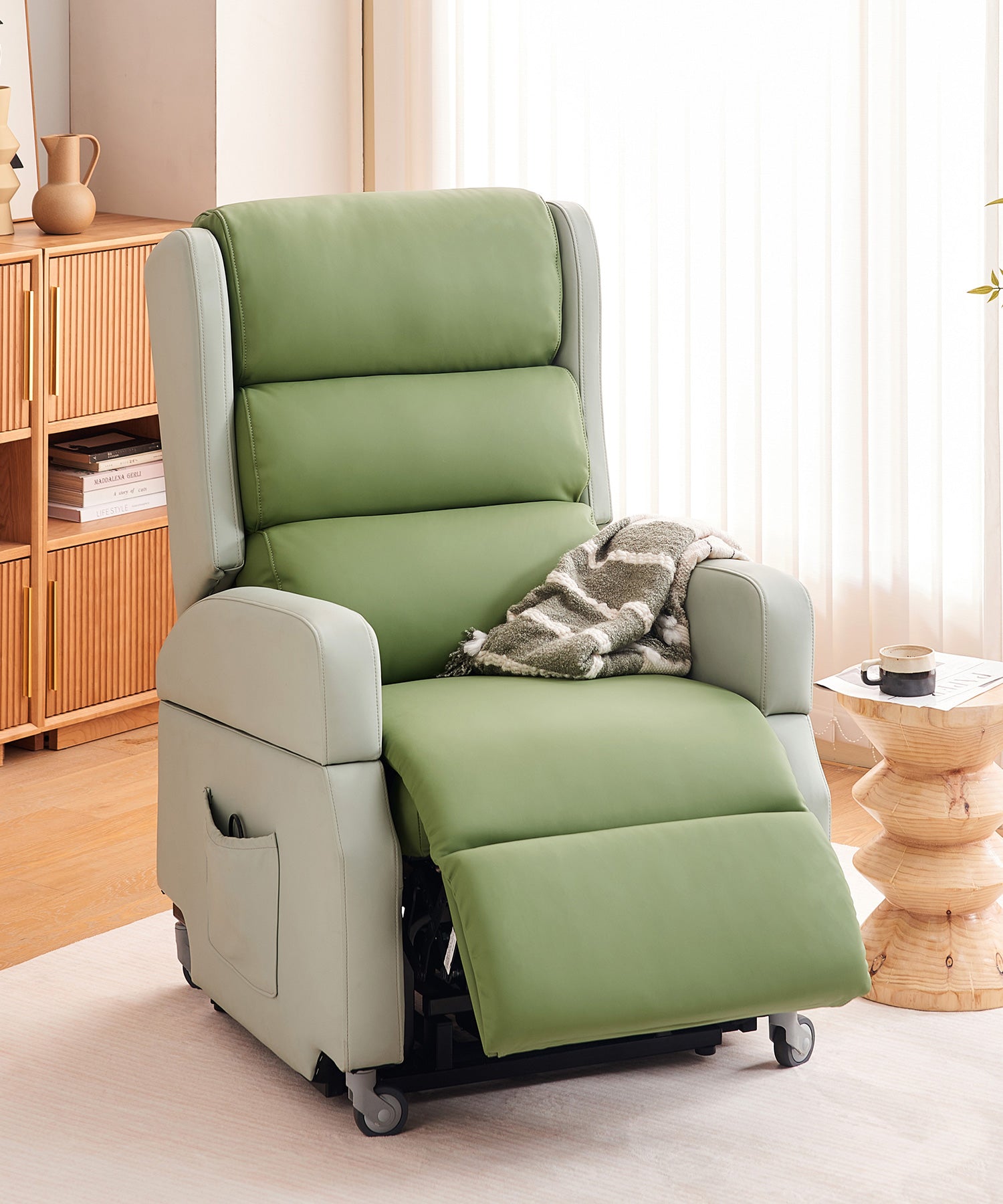
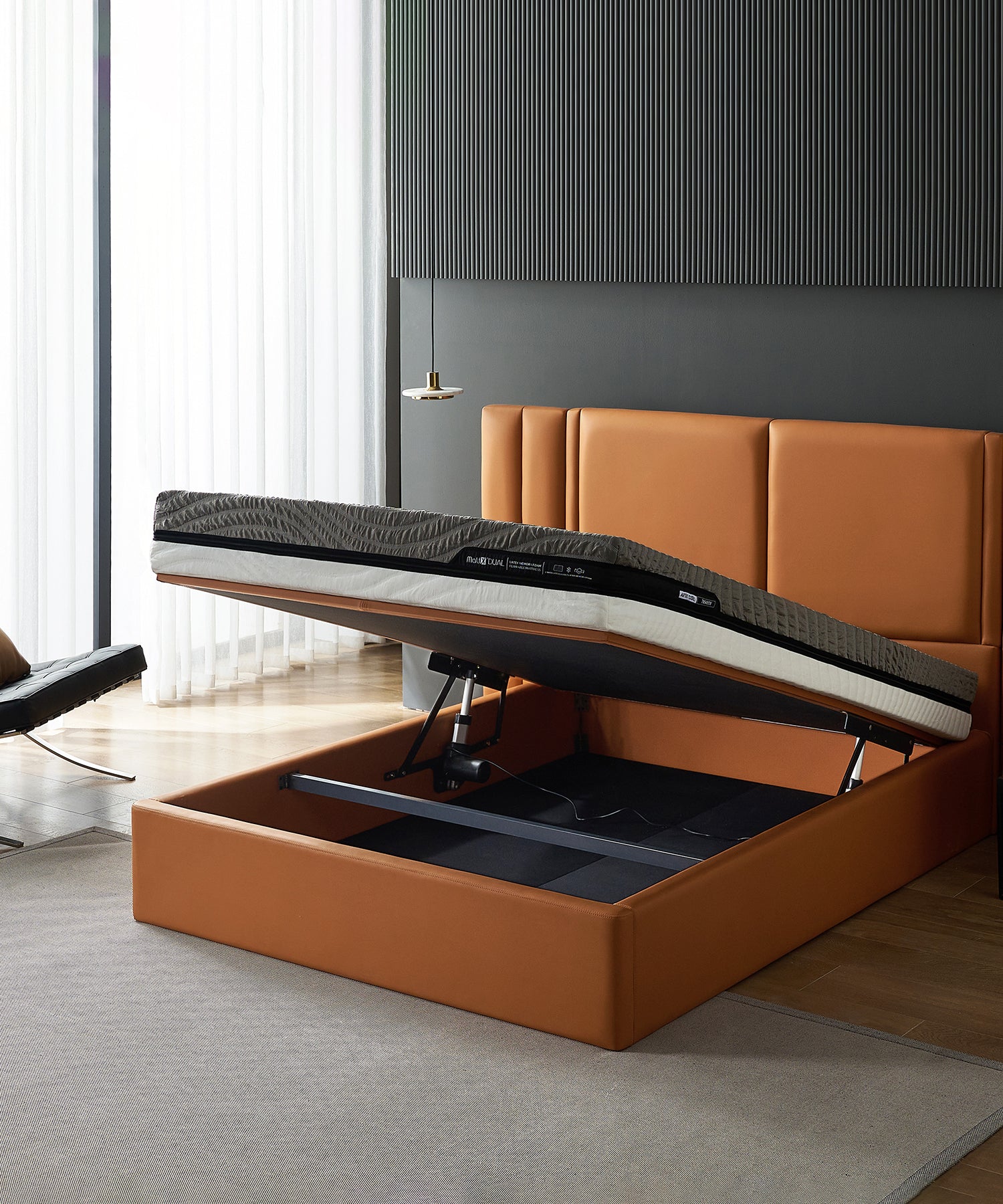
At Affairs.sg, our ALYA® adjustable bed bases and MattX® Omni SMART Bed feature programmable memory positions, zero gravity presets, and smooth operation perfect for therapeutic positioning. Our 360° Swivel Recliner Senior Bed offers additional benefits for elderly care. All beds include 10-year warranties and free delivery & installation on orders over $99.
Discover the health benefits of an adjustable bed today. Visit Affairs.sg to explore our complete range and improve your sleep health.